
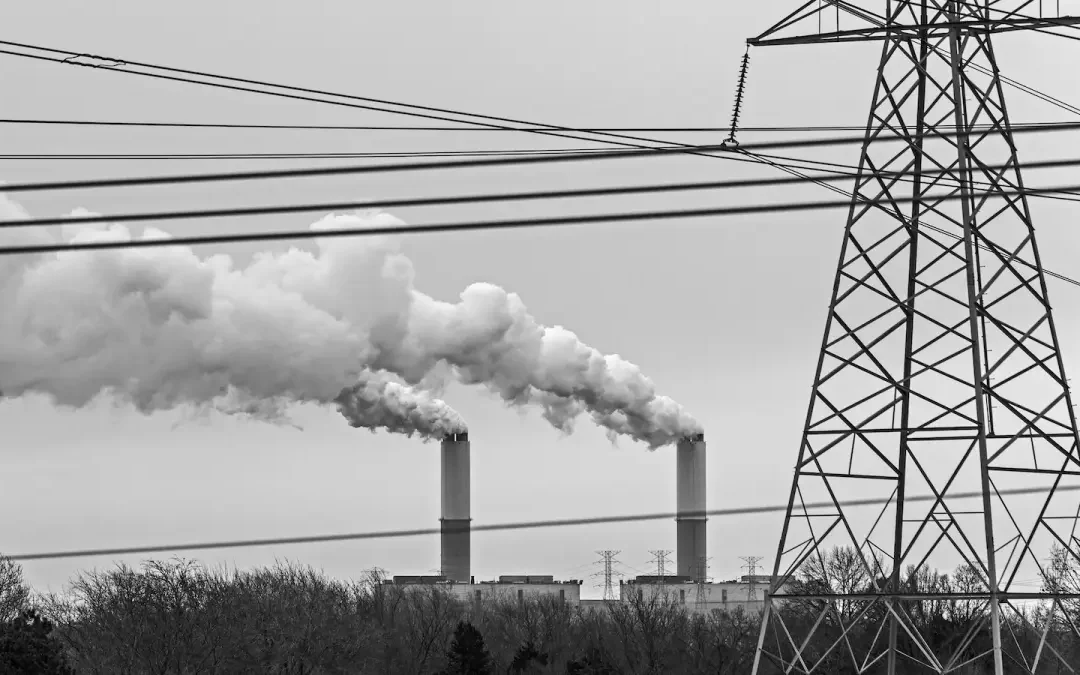
Photo courtesy of Jim West / UCG / Universal Images Group via Getty Images
Achieving net-zero greenhouse gas emissions by 2050 will require removing carbon dioxide from the atmosphere, according to the Intergovernmental Panel on Climate Change, the world’s foremost authority on the topic. But only some types of carbon removal are actually effective — and these are largely not the kind that major companies are investing in.
A new report from the NewClimate Institute, a European think tank, finds that 35 of the world’s biggest businesses are leaning on short-term tree-planting and other forms of “nondurable” carbon removal in order to say they’ve neutralized some of their climate pollution. The handful of companies investing in more reliable carbon removal are mostly not doing so in conjunction with deep decarbonization, or the elimination of carbon emissions altogether.
There is a “dangerous mismatch between corporate climate claims and the reality of what is needed to reach global net-zero,” the organization said in a press release. Reaching net-zero by the middle of the century — a scenario where all unavoidable human-caused climate pollution is canceled out via carbon removal — is considered necessary to limit global warming to 1.5 degrees Celsius (2.7 degrees Fahrenheit).
Carbon dioxide removal, or CDR, refers to efforts to capture CO2 after it’s been emitted into the atmosphere and store it in rocks, land, ocean reservoirs, or human-made products. The most reliable types of carbon removal, which the NewClimate Institute calls “durable CDR,” involve injecting carbon into geological formations or turning it into rocks, where it will stay put for at least 1,000 years — about the same amount of time that CO2 from the burning of fossil fuels will remain in the atmosphere.