
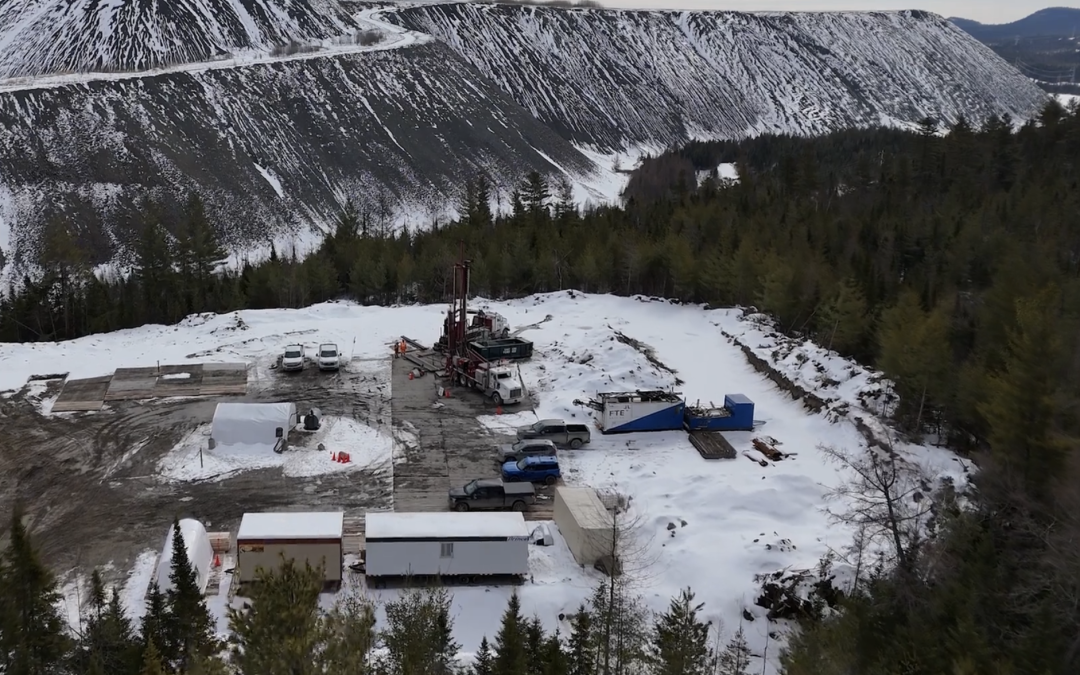
Photo courtesy of Ian Willms
Outside the city of Thetford Mines, Quebec, in a region that once supplied the world with asbestos, workers are drilling underground in search of an unusual and potentially vast new source of clean energy.
A start-up called Vema Hydrogen has drilled two test wells into the bedrock, each 1,000 feet deep, and is starting to inject treated water into the iron-rich rocks below. The goal is to trigger a special type of chemical reaction that could eventually produce large quantities of hydrogen, a clean-burning fuel that may one day play a vital role in tackling climate change.
“The potential is massive,” said Pierre Levin, the chief executive of Vema, as he watched a drilling crew at work on a bright, bitterly cold spring day. “You can find rocks like this all over the world, enough to produce billions of tons of hydrogen.”
The dream of clean hydrogen has tantalized energy experts for decades. When burned, hydrogen emits only water vapor. It could theoretically be used instead of fossil fuels in ships, airplanes, steel mills or chemical plants, all industries where it’s difficult to find viable alternatives for oil, gas and coal and cut planet-warming emissions.